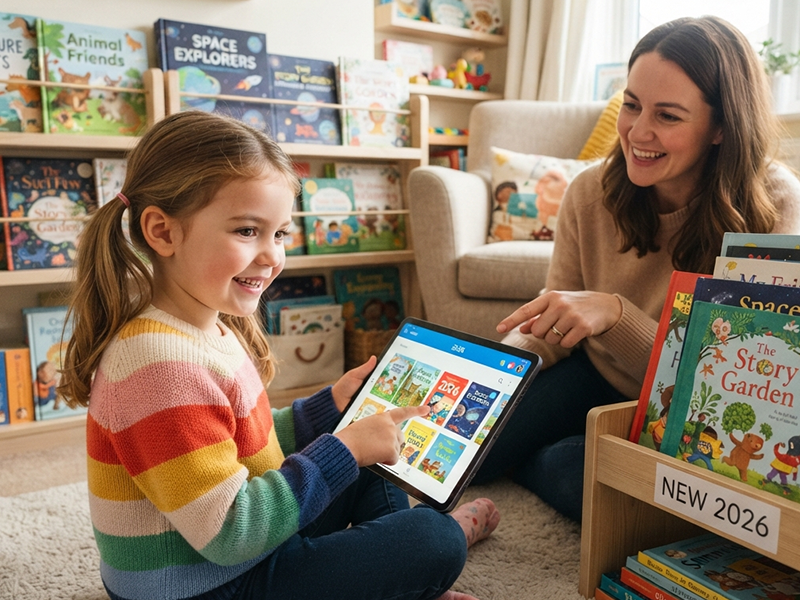
Shopping for books has changed dramatically over the past decade, and parents are increasingly turning to online platforms to keep their children’s shelves stocked. The convenience is hard to argue with: thousands of titles available at any hour, delivered to the door within days. Beyond convenience, the ability to browse a wider range than any physical store could hold has made online shopping the preferred choice for many families. Whether you are looking for early readers, picture books, or chapter series, the internet makes it straightforward to buy children’s books suited to any age, reading level, or interest.
Why More Parents Buy Children’s Books Online
The shift toward online book shopping is driven by several practical advantages that physical stores simply cannot match.
Convenience sits at the top of the list. Parents can search, compare, and order during a lunch break or once the children are asleep, no trip required. This matters especially for families in areas where local bookshops are limited or have a narrow selection.
Wider selection is another major factor. Online platforms stock titles from small publishers, international authors, and niche genres that rarely make it to retail shelves. If a child has a specific interest in dinosaurs, coding, folklore from a particular culture — there is almost always a book for it online.
Competitive pricing also draws buyers. Discounts, bundles, and loyalty programs make it easier to build a home library without overspending. Comparing prices across platforms takes seconds.
Finally, customer reviews give parents genuine insight before purchasing. Reading what other parents and educators say about a book’s content, reading level, and engagement value helps avoid disappointment.
Best Places to Buy Children’s Books Online in 2026
Different platforms serve different needs, and knowing your options makes the process much easier.
Major online bookstores like Amazon and Barnes & Noble carry enormous catalogs and offer fast shipping, customer reviews, and frequent deals. They are reliable starting points, especially for popular titles.
Independent bookseller websites such as Bookshop.org allow purchases that support local and independent bookstores. The selection is strong, and buying through these platforms often directs a portion of the sale to a local shop of your choice.
Educational book retailers like Scholastic and DK Books specialize in age-graded, curriculum-aligned content. These sites are particularly useful for parents who want books that complement school learning.
Publisher websites from Penguin Random House to Usborne sell directly and occasionally offer exclusive editions, author notes, or discounts not available elsewhere.
Subscription services such as Little Passports Book Club or Book of the Month (with children’s tiers) deliver curated selections monthly. These work well for families who want the discovery element handled for them, though they require reviewing cancellation policies before signing up.
How to Buy Children’s Books Based on Age and Interests
Choosing the is as crucial as selecting the right store. Use age recommendations and reading level indicators as guidelines, not strict rules. A confident eight-year-old may enjoy books for ten-year-olds, while a reluctant reader might prefer shorter, illustrated titles.
Matching books to a child’s interests, like animals, mysteries, or sports, increases the likelihood that they’ll read the book. Many platforms offer filtering by subject, making it easy to find quality children’s storybooks in specific categories. Balancing entertainment with learning is effortless when the book captures a child’s attention, as both goals often support each other.
Tips to Buy Children’s Books Safely and Affordably
A few simple habits make online book shopping smoother and more cost-effective.
Always read customer reviews, particularly those that mention reading level and content suitability. Verified reviews from parents and teachers tend to be the most reliable.
Compare prices across at least two or three platforms before purchasing. The same title can vary significantly in price, especially for hardcovers.
Check shipping policies carefully. Some platforms offer free shipping above a certain spend, while others charge per order. Factor this in when comparing total costs.
Look for bundles and seasonal discounts. Many sites offer multi-book sets at reduced prices, particularly around back-to-school periods and holidays.
Conclusion
Online shopping has made it genuinely easier for families to build rich, diverse home libraries. The ability to buy children’s books from a wide range of retailers, compare prices instantly, and read honest reviews before committing removes much of the guesswork. Quality plays a lasting role in language development, imagination, and a child’s overall relationship with reading and access to them has never been more straightforward. With the right platform and a little guidance on age and interest, parents can confidently buy children’s books that will be read, reread, and remembered.